石材的規(guī)格
Stone Material Specifications: The Key to Unlocking Your Building Dreams
Introduction
When it comes to building a dream home or a sturdy structure, the quality of the materials used plays a crucial role in ensuring its durability and longevity. Among all the building materials available, stone is one of the most versatile and reliable options. However, with so many types of stone materials available in the market, it can be overwhelming to choose the right one for your project. In this article, we will explore the different stone material specifications and their applications, helping you make an informed decision for your building needs.
Types of Stone Materials
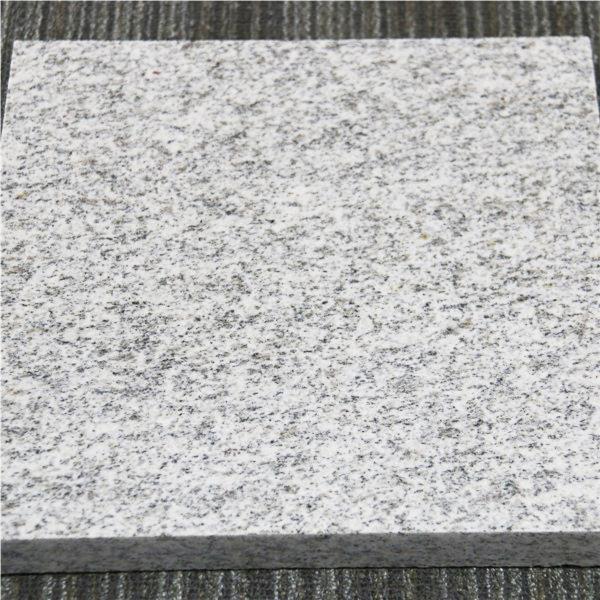
Stone materials can be broadly classified into two categories: natural stone and engineered stone. Natural stone is quarried from the earth and has been used for construction for centuries. It is available in various colors, textures, and patterns, making it a popular choice for both interior and exterior applications. Some of the most commonly used natural stone materials include granite, marble, limestone, and sandstone.
Engineered stone, on the other hand, is a man-made material created by combining natural stone particles with resin and other adhesives. It is more affordable than natural stone and offers greater flexibility in terms of color and design options. Some popular engineered stone brands include Caesarstone and Silestone.
Stone Material Specifications
When selecting stone materials for your building project, it is essential to consider the following specifications:
1. Compressive Strength: This refers to the ability of the stone to withstand pressure and weight. A higher compressive strength indicates a more durable and long-lasting material.
2. Porosity: The porosity of the stone affects its ability to resist water and stains. A lower porosity means a more resistant material.
3. Hardness: The hardness of the stone determines its resistance to scratches and wear. A higher hardness rating indicates a more durable material.
4. Absorption: The absorption rate of the stone affects its resistance to water and stains. A lower absorption rate means a more resistant material.
5. Density: The density of the stone affects its weight and durability. A higher density indicates a more durable material.
Applications of Stone Materials
Stone materials have numerous applications in building and construction, including:
1. Countertops: Natural stone countertops are a popular choice for kitchens and bathrooms due to their durability and aesthetic appeal.
2. Flooring: Stone flooring is a versatile and long-lasting option for both indoor and outdoor spaces.
3. Walls: Stone walls can add a touch of elegance and sophistication to any building, while also providing insulation and durability.
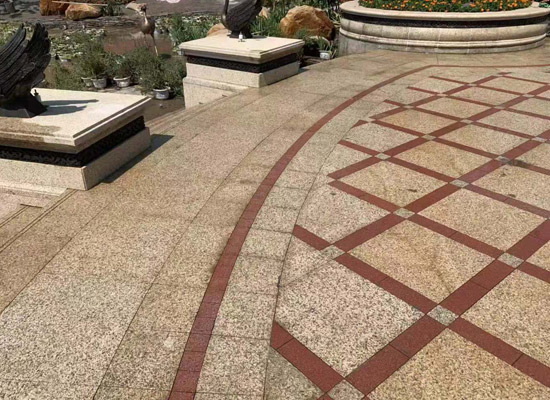
4. Paving: Stone paving is a popular choice for outdoor spaces such as patios, walkways, and driveways.
5. Landscaping: Stone materials can be used for landscaping purposes, such as retaining walls, garden borders, and decorative features.
Conclusion
Stone materials are a versatile and reliable choice for building and construction projects. With so many types and specifications available, it is essential to consider your project's specific needs and requirements. By understanding the different stone material specifications and their applications, you can make an informed decision and ensure the success of your building project. Whether you choose natural stone or engineered stone, you can rest assured that your project will be built to last with the right stone materials.
標簽:

石材百科百科
-
別墅外墻石材加工裝飾施工要點
 行業(yè)內(nèi)部統(tǒng)計數(shù)據(jù)顯示,別墅外墻石材最終呈現(xiàn)效果與使用壽命,材...2026-06-15
 -
電視背景墻石材加工裝飾安裝方法
 中國建筑裝飾協(xié)會2023年家裝材料應用調(diào)研顯示,石材類電視背...2026-06-15
 -
廚衛(wèi)臺面石材加工裝飾處理手法
 廚衛(wèi)臺面在日常使用中承擔的摩擦、磕碰、液體侵蝕頻次遠高于其他...2026-06-15
 -
英國棕石材批發(fā)廠家(黑棕與紅棕)
 入行石材行業(yè)十二年,經(jīng)手的英國棕貨值累計超過7000萬,接觸...2026-06-12
 -
樓梯踏步石材加工裝飾安裝方法
 樓梯踏步石材加工裝飾安裝方法的執(zhí)行標準,直接決定踏步的使用壽...2026-06-12
 -
陽臺地面石材加工裝飾鋪設(shè)方法
 很多業(yè)主選好陽臺用的石材,以為隨便找工人鋪上去就行,最后要么...2026-06-12
 -
窗臺石材加工裝飾打磨技巧
 我做石材加工12年,經(jīng)手的窗臺石材訂單超過2700單,行業(yè)內(nèi)...2026-06-11
 -
庭院地面石材加工裝飾施工細節(jié)
 從事石材供應與鋪裝相關(guān)工作17年,經(jīng)手的庭院鋪裝項目超過40...2026-06-11